Home › Selective and Partial Residential Demolition
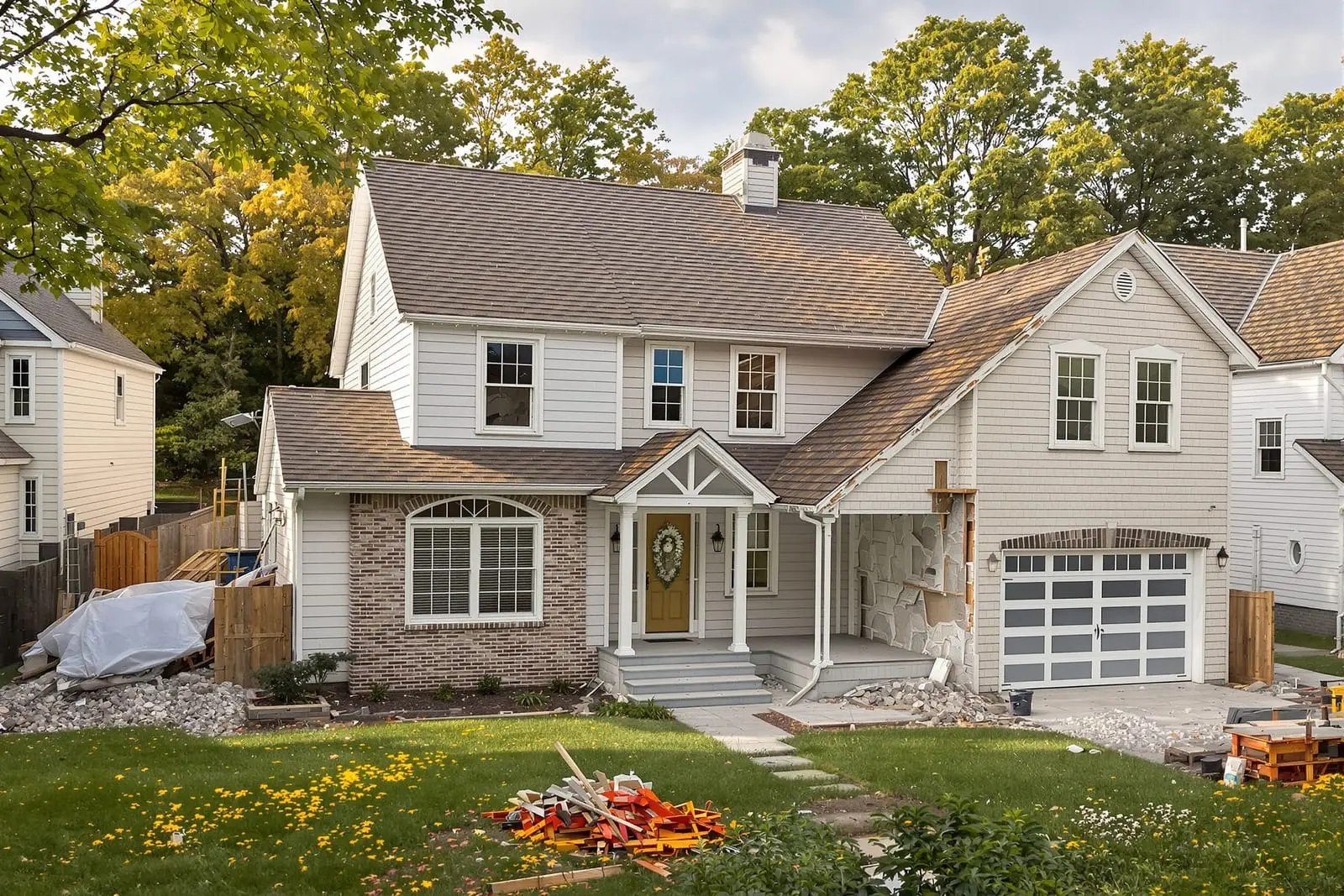
Wrexo Demolition Houston handles selective demolition in Houston, TX for remodels and additions that require precision. We remove specific walls, rooms, additions, or structural elements while preserving areas you plan to keep. Our crew follows engineered plans, braces as needed, and coordinates closely with your builder to keep the home safe throughout demolition.
Wrexo Demolition Houston provides professional selective demolition throughout Houston, TX and the surrounding area. Our licensed, insured crew delivers safe, clean, on-time work with a free estimate before anything begins. Call (832) 924-0400 or request your free quote.
Selective Residential Demolition in Houston, Done the Right Way
Selective demolition is the careful removal of specific parts of a home while protecting everything you want to keep. At Wrexo Demolition Houston, we treat it like surgery for your house, not like a wrecking job.
Homeowners around Houston usually call us when they are opening up a kitchen, removing interior walls, gutting a bathroom, taking out a damaged garage, or preparing for a major addition. Instead of tearing everything down, we target only what your remodel or repair actually needs. That can mean taking out a single load bearing wall, stripping drywall but keeping insulation, or removing a second story while preserving the first.
Houston homes range from 1950s pier and beam houses to newer slab construction, and the demolition approach for each is very different. Before any work starts, we walk the property with you, review your contractor’s plans if you have them, and confirm exactly what must stay: structural framing, exterior brick, flooring, built in cabinetry, historic features, or mechanical systems. Our crew labels and marks these areas clearly, so everyone in the home knows what is off limits.
With selective demolition, detail and planning matter more than brute force. Our goal is always the same: get your space ready for the next phase of work, without creating surprises, damage, or extra cost for your remodel team.
Step by Step: How Our Selective Demolition Process Works
Every project in Houston starts with a site visit. Wrexo Demolition Houston inspects the areas you want removed, checks access for equipment, and looks at how your home is framed and finished. Older neighborhoods like The Heights or Eastwood often have hidden layers of material and nonstandard framing, so we factor that into the plan.
Next, we locate and verify all utilities. Before we touch a wall or ceiling, we identify plumbing lines, drain routes, electrical circuits, gas lines, low voltage cables, and HVAC runs that may be inside or behind the demolition area. We shut off and cap what needs to be disconnected, and coordinate with licensed trades when required.
We then set up protection. This can include plastic dust barriers, zip walls, floor coverings over hardwood or tile, plywood to shield windows and doors, and cardboard corner guards for stairways and hallways. For projects in occupied homes, we often create a contained work corridor from an exterior door to the demo area so debris does not pass through clean living spaces.
The actual selective demolition is performed in layers, from finishes to structure. For example, on an interior wall removal we:
1) Remove trim, baseboards, and casing to be saved or replaced.
2) Carefully take off drywall or plaster on one side, then the other, watching for wires or pipes.
3) Detach and label any electrical boxes, switches, or outlets that must be rerouted.
4) Cut and remove studs or headers only after confirming the wall is non load bearing, or after temporary shoring is installed for structural walls.
Throughout the job, debris is sorted as we go, nails are magnet swept, and we keep pathways clear so your remodel crew can start work as soon as we are finished.
Structural Concerns, Load Bearing Walls, and Safety
In selective demolition, the biggest worry for Houston homeowners is damaging the structure or causing cracks in the parts of the home that are staying. Wrexo Demolition Houston approaches every wall, beam, and column with that in mind.
When a wall might be load bearing, we never rely on guesswork. We look at the direction of floor and ceiling joists, roof framing, and any visible beams. In many cases, we lift attic insulation to check how everything ties together. If there is any doubt, we either bring in or coordinate with a structural engineer to confirm the plan for temporary support and long term framing.
Before removing structural elements, we install temporary shoring, typically using adjustable steel posts and engineered beams or doubled dimensional lumber. These supports are set on solid bearing points, not just on finished floors, to avoid damage and shifting. Only after shoring is in place do we cut out existing structural members, and we coordinate timing with your contractor so the new beam or framing can be installed promptly.
Safety is more than structure. Many Houston houses built before the late 1980s can have asbestos containing materials or lead based paint. If we see suspect materials like old popcorn ceilings, 9x9 floor tiles, black mastic, or unusual joint compounds, we will advise you to get testing before proceeding. If tests come back positive, we can coordinate with licensed abatement contractors so the hazardous materials are handled legally and safely.
We also manage vibration and noise carefully in attached townhomes and dense neighborhoods. Saw choice, cut sequencing, and how materials are brought down all affect how much the work is felt next door. Clear communication with neighbors and defined working hours help keep the project smooth and respectful.
Common Houston Projects and Local Challenges
Houston’s climate and housing stock create specific reasons homeowners request partial residential demolition. Wrexo Demolition Houston regularly handles projects that respond to these local conditions.
Flood and moisture damage are a major driver, especially in areas hit by past storms. We often perform partial gut jobs where only the lower 4 feet of drywall, wet insulation, and damaged baseboards are removed while preserving cabinets, countertops, and upper walls. In these cases, we cut clean, level lines for easier reinstallation, use moisture meters to confirm that framing is dry, and check for concealed mold in wall cavities and around window openings.
Another common request is opening up older floor plans. Many 1960s and 1970s homes around Meyerland, Sharpstown, and Spring Branch have tight kitchens and formal dining rooms separated by multiple walls. Selective demolition might include removing one or two interior walls, widening doorways, and taking out soffits above cabinets, all while protecting original wood floors and ceiling textures in adjoining rooms.
Garage and addition tie ins are also frequent. If you are adding a new room or extending your kitchen into an old porch, we selectively remove exterior siding or brick, interior finishes, and framing at the connection point so your builder has a clean, plumb, and square opening to work with. For brick veneer homes, this includes carefully cutting mortar joints, removing brick courses in order, and sometimes salvaging bricks for reuse.
Houston heat and humidity mean that dust control and air quality matter inside occupied homes. We typically run negative air machines with HEPA filtration during interior selective demolition and keep windows or doors strategically open when weather and security allow. This helps keep fine dust from migrating into bedrooms, closets, and HVAC returns.
Costs, Estimates, and How to Keep Your Budget Under Control
Selective demolition is labor heavy and detail oriented, so pricing is usually based on a combination of factors rather than simple square footage. When Wrexo Demolition Houston prepares an estimate, we look at:
• Access and logistics (Are we on a second floor? Is there an elevator? How close can a dumpster or trailer be placed?)
• Type and thickness of materials (Plaster and lath, multiple layers of drywall, tile on mud bed, brick veneer, or concrete are more labor intensive.)
• Structural complexity (Any load bearing work or shoring will increase both time and cost.)
• Presence of finishes to protect or salvage (Custom cabinets, hardwood floors, stone countertops, and historic trim require more preparation and slower removal.)
• Debris disposal requirements (Heavier materials like tile and brick fill dumpsters quickly, and special handling for hazardous materials, if present, is a separate cost.)
You can help control costs by providing plans or sketches that clearly show what stays and what goes, deciding in advance which items you truly want to salvage, and confirming with your remodel contractor where new framing or openings will be. Clear decisions up front reduce change orders and rework.
Our written proposals break down the scope in plain language, such as “Remove non load bearing wall between kitchen and dining, including drywall, studs, electrical boxes, and flooring within footprint, and dispose of debris.” This way you and your contractor can compare what we priced with what you actually need. If your budget is tight, we can sometimes phase work so that high priority areas are handled first and optional demolition is scheduled later.
How to Prepare Your Home and What to Expect Day by Day
A little preparation before selective demolition starts can make a big difference. Wrexo Demolition Houston will give you a project specific checklist, but in general, plan to clear cabinets, closets, and shelves in the work area, remove art, curtains, and fragile items on adjacent walls, and empty any built ins that will be demolished or moved. If pets are in the home, arrange a secure area away from the work zone or off site during the noisiest days.
On the first day, you can expect walk through verification of scope, protection installation, and utility confirmation. We review access routes, where tools and debris will be staged, and which bathrooms or hoses we are allowed to use. Once protection is in place, light demolition begins, usually starting with trim and finishes.
During the middle phase, most of the heavy removal takes place. For interior projects, this typically means walls are opened, ceilings or soffits are brought down, and any flooring inside the demolition footprint is removed. Our crew leader remains on site to answer questions, show you hidden conditions as they appear, and coordinate with your contractor if immediate decisions are needed.
At the end of the project, we perform a detailed cleanup of the affected area. This includes bagging and removing debris, sweeping and vacuuming, magnet sweeping for nails and screws, and taking down temporary barriers that are no longer needed. We walk the space with you to confirm that everything scheduled for removal is gone and that protected areas are intact.
If you are planning additional phases of selective demolition later, we document existing conditions with photos and notes, so that future work can be planned with fewer surprises. Our goal is for you to feel that your home was respected and that your remodel or repair team can step into a space that is safe, clean, and properly prepared.
“
Professional selective and partial residential demolition, done right the first time, quality materials, honest pricing, and results that last.
Wrexo Demolition Houston
Selective and Partial Residential Demolition Across Our Service Area