Home › Soft Strip and Pre-Renovation Demolition (Residential)
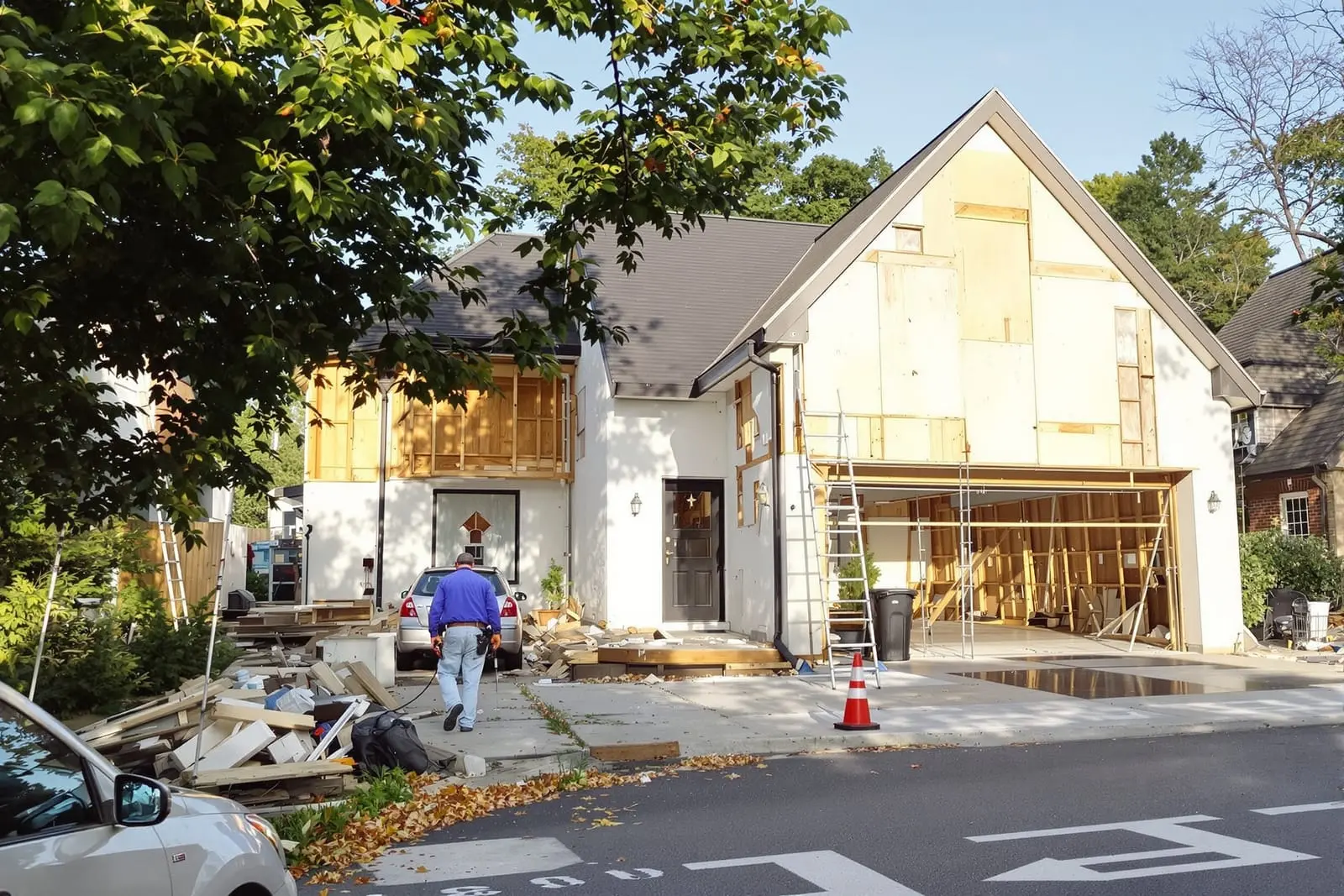
Wrexo Demolition Houston provides soft strip demolition in Houston, TX to prepare homes for renovation. We remove cabinets, appliances, trim, drywall, ceilings, flooring, and other non structural materials while protecting mechanical systems and framing. Our clean, organized strip outs help general contractors start work faster and keep projects on schedule.
Wrexo Demolition Houston provides professional soft strip demolition throughout Houston, TX and the surrounding area. Our licensed, insured crew delivers safe, clean, on-time work with a free estimate before anything begins. Call (832) 924-0400 or request your free quote.
Soft strip demolition for Houston homes, done the right way
Soft strip demolition is the step between design plans and actual renovation work. Wrexo Demolition Houston focuses on interior removal that clears your space without touching the structural bones of your home. For residential projects, this typically means taking out finishes, fixtures, and non-structural elements so your contractor can come in and rebuild on a clean, safe canvas.
In a typical soft strip demolition, we remove items like cabinets, countertops, interior doors, trim, flooring, baseboards, non-load-bearing walls, drywall, insulation, bathroom fixtures, lighting, and sometimes windows. We work closely with homeowners and their general contractors so we know exactly what stays, what goes, and where new work will tie into existing systems.
Houston homes present some specific challenges. Older bungalows near the Heights, Montrose, and East End often have mixed construction methods, multiple remodels layered on top of each other, and a mix of plaster, shiplap, and drywall. Newer homes in suburbs like Katy, Cypress, and Pearland are usually more straightforward, but often include complex wiring and smart home systems that require careful disconnection. Wrexo Demolition Houston adjusts our methods to match your home’s age, materials, and layout so we protect what matters and remove what does not.
How our residential pre-renovation demolition process works
Our soft strip demolition process is detailed and methodical so your renovation crew can start work as soon as we are done.
1. Site visit and scope confirmation. We walk the space with you and, if possible, your contractor or designer. Together we mark what stays and what goes. Built-ins to keep, structural walls, and any appliances or fixtures to remain are clearly tagged.
2. Utility verification. Before any removal, we locate and verify shutoff points for water, gas, and electrical. For soft strip demolition, we usually only isolate specific circuits or lines rather than killing all utilities to the house. This is especially important for Houston homes where AC must often stay active to prevent humidity damage to the remaining structure and finishes.
3. Protection and containment. We install floor protection in traffic areas, plastic sheeting to separate work zones, and, where needed, zipper doors to maintain air-conditioned zones. In homes with open floor plans, we plan pathing so debris moves out efficiently without tracking dust into lived-in areas.
4. Selective removal. We remove finishes in a sequence that prevents collateral damage. Ceiling fixtures and upper cabinets come down before lower units. Tile and flooring are removed last so we are not walking on exposed subfloor or slab more than necessary.
5. Sorting and load out. Materials are sorted into recyclables, donation candidates, and disposal. We stage debris near access points (driveway or curb area) so hauling is quick and minimizes time on site.
6. Final prep for trades. At the end, we leave framing exposed as specified, cap plumbing, safely cover electrical boxes, and sweep and magnet-scan for nails or fasteners when applicable. The goal is for your renovation contractor to walk in and start framing, rough-ins, or installation without losing days to cleanup or unexpected demo tasks.
What we actually remove in a soft strip demolition
Soft strip demolition at Wrexo Demolition Houston covers a wide range of residential interior elements. Understanding what is included helps you plan your renovation and budget accurately.
Common removals include:
• Wall and ceiling finishes. Drywall, plaster, paneling, acoustic ceilings, and insulation where required.
• Floor coverings. Carpet, pad, hardwood, laminate, vinyl, tile, underlayment, and tack strips. In Houston, we often encounter moisture-damaged flooring near exterior doors or around slab cracks, so we check for hidden mold when lifting old materials.
• Fixtures and built-ins. Kitchen and bathroom cabinets, countertops, vanities, medicine cabinets, interior doors, baseboards, window trim, shelving, and closet systems.
• Mechanical coverings. Soffits, chases, and non-structural framing around ductwork or plumbing that your contractor plans to reroute or reframe.
• Select non-structural partitions. Some interior walls can be removed or partially opened for new layouts. We identify which walls are safe to demo and which must be reviewed by your engineer or contractor first.
On many Houston projects, homeowners want to preserve certain elements, such as original hardwood floors under layers of vinyl, antique doors, or historic trim. We plan around these salvage goals by changing tool selection and removal sequence. For example, we may hand remove plaster around decorative casing rather than using demolition hammers so the wood can be stripped and refinished instead of replaced.
Protecting structure, systems, and air quality in your home
True soft strip demolition is about what you do not damage. Wrexo Demolition Houston is careful to preserve the key elements your renovation depends on.
Structural preservation comes first. We identify load-bearing walls, beams, and critical posts before demolition. In older Houston homes with pier and beam foundations, interior walls sometimes carry unexpected loads. We look for telltale signs like doubled studs, beams in the attic above, or older framing patterns, and if there is any doubt we pause and coordinate with your contractor or engineer.
Mechanical and electrical protection is next. We trace visible lines and use non-contact testers before cutting into any surface. In homes that have been remodeled more than once, we assume there may be “surprise” wiring or plumbing runs that are not on plans. When we expose these lines, we secure, cap, or mark them so your trades know what they are working with.
Air quality is a real concern in Houston’s humid climate. Dust can linger and combine with moisture, which creates grime that spreads through the home if not contained. We use localized containment and negative air setups where needed, especially when working near occupied zones or sensitive spaces like nurseries, home offices, or homes with allergy concerns. We also schedule high-dust tasks when family members and pets can be away, which reduces disruption and cleanup.
Hazardous materials, older homes, and code concerns
Many Houston neighborhoods contain homes built before modern building codes and material standards. Wrexo Demolition Houston plans soft strip demolition around potential hazards so your renovation does not get delayed once work begins.
Asbestos is sometimes present in older vinyl flooring, adhesive, popcorn ceilings, joint compounds, and certain mastics. Lead paint is common on trim, doors, and windows in pre-1978 homes. If we see suspect materials during the site visit, we will recommend professional testing before we demo those areas. If testing confirms hazards, licensed abatement must be completed before or in coordination with soft strip demolition.
We also encounter unpermitted historical modifications, such as buried junction boxes, unsupported spans where walls were removed in the past, or makeshift plumbing repairs. During selective demolition, we expose these issues early so your contractor can address them in design or permit submissions rather than mid-construction.
While many soft strip demolition projects do not require stand-alone permits, your overall renovation plan usually does. We coordinate timing with your contractor so that walls and finishes are opened when inspectors will actually need to see framing, wiring, and plumbing. This sequencing keeps your build schedule on track and reduces the risk of having to re-open newly finished areas for inspections.
Costs, scheduling, and Houston-specific timing factors
Soft strip demolition pricing depends on several concrete factors, not vague estimates. Wrexo Demolition Houston bases your quote on:
• Square footage and volume of materials to be removed.
• Type of materials (for example, plaster and tile are slower and heavier than drywall and carpet).
• Access conditions (stairs, narrow hallways, distance to driveway or dumpster location).
• Presence of hazards or special handling needs (potential asbestos, lead, or heavy built-ins).
• Salvage and protection requirements, such as saving cabinets or trim, or working around high-end finishes.
Houston’s climate and layout also affect scheduling. During peak summer, we often schedule interior demolition earlier in the day to manage heat load on crews and keep AC systems from overworking with open doorways. Heavy afternoon storms common in late spring and summer affect debris hauling, so we plan load-outs around forecast windows to avoid tracking mud and water into your home.
If your home is in a townhome cluster or tight urban lot, staging and debris removal may need coordination with neighbors or HOA rules. We factor parking, elevator use in mid-rise buildings, and restricted working hours into your plan and quote so you are not surprised later by delays or added costs.
How to prepare your home for soft strip demolition
Preparing properly before Wrexo Demolition Houston arrives will save you time and prevent accidental removal of items you care about.
First, clear personal items from the work areas. This includes furniture, art, electronics, area rugs, and items inside cabinets or closets that will be removed. If something cannot be moved, tell our team in advance so we can plan extra protection.
Second, identify everything that must stay, including fixtures or finishes that have sentimental or historic value. For example, a single original door, built-in hutch, or stained-glass panel can be protected if we know about it early. We encourage homeowners to place colored tape or sticky notes on “keep” items and walk the space with our supervisor on day one.
Third, coordinate with your contractor on where they want surfaces opened for inspection or new work. It is often cheaper and cleaner for us to open specific areas during soft strip demolition instead of having framing or electrical trades cut into finished surfaces later.
Finally, plan for temporary lifestyle adjustments. Soft strip demolition is noisy and can vibrate through the structure, which may disrupt remote work or naps for young children. Many Houston families choose to be out of the home during peak demo hours, especially for kitchen and bathroom gut projects. We can help you plan a sequence that keeps at least one bathroom or key area functional for as long as possible, depending on your renovation design.
“
Professional soft strip and pre-renovation demolition (residential), done right the first time, quality materials, honest pricing, and results that last.
Wrexo Demolition Houston
Soft Strip and Pre-Renovation Demolition (Residential) Across Our Service Area